
Record everything!
“Our memories are precious to us and constitute our sense of self. Why not enhance them by recording all of your life?”
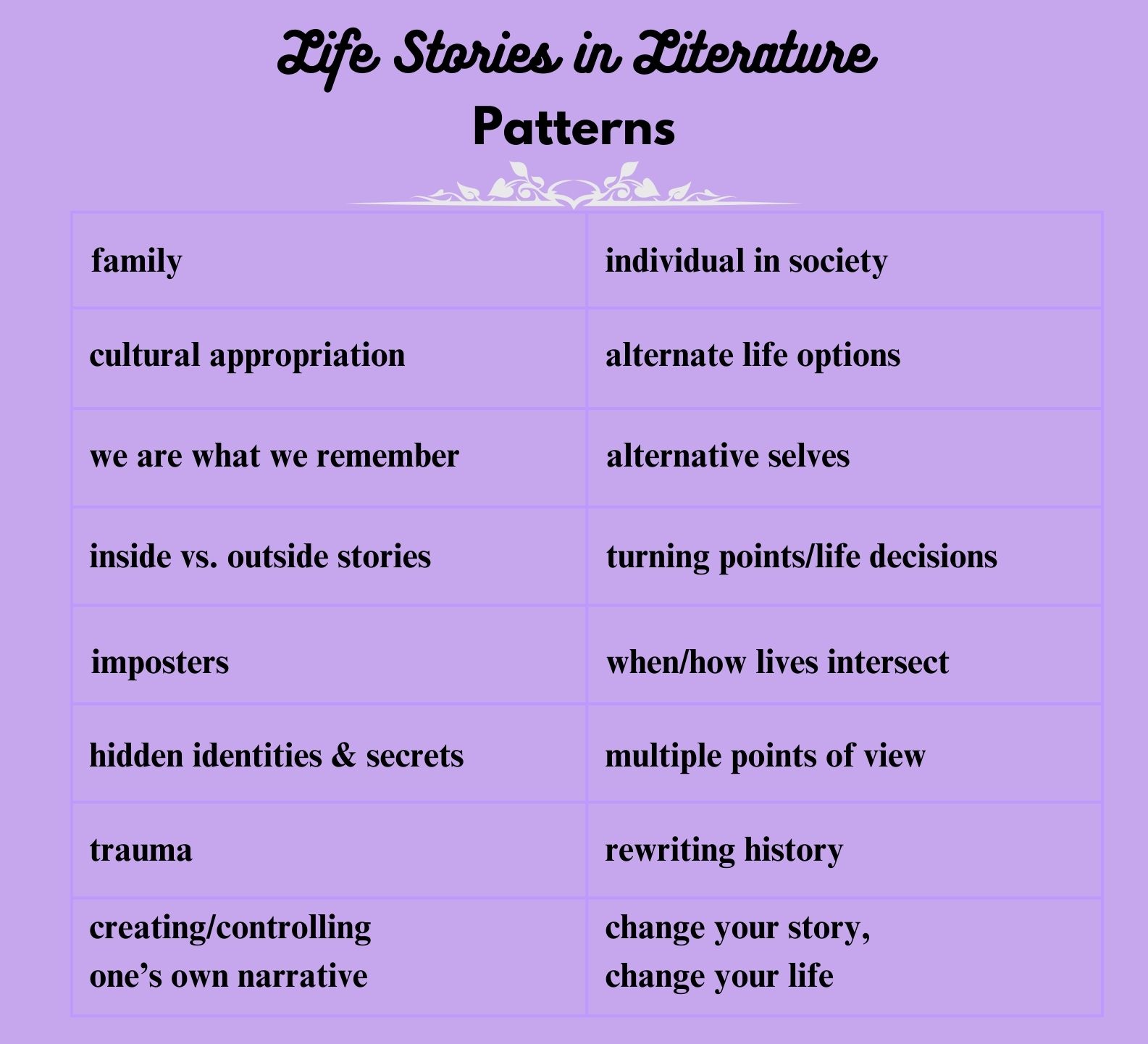
Yannic Kappes is a philosopher and a postdoc at the University of Vienna in Austria. In this article he takes the proposition that “[c]urrent technology allows for radical memory enhancement” to its extreme, examining how and why recording nearly every moment of our lives could be beneficial. Much of what he writes is based on the basic assumptions of narrative identity theory: that we are what we remember, that we build our sense of identity around our experiences, that our memories help us understand our place in the world and our relation to others.
Some of his possibilities sound like good ideas for science fiction novels, yet I did find it fascinating to read through his logic for the practical applications of how and why we might want to increase our recording of the moments of our lives.
Scientists analyzed 38 million obituaries and found a hidden story about American values
Just as individuals construct stories that explain their lives, so do societies construct documents that communicate to people the values and beliefs that the society expects them to live by. One form of such documents is the obituary. This article reports on “how Americans collectively define a meaningful life” through analysis of “over 38 million obituaries from across the United States” published between 1998 and 2024.
The Power of Fiction: How Stories Shape Memory and Identity
“The memories we experience when reading fiction can feel personal, as if we lived them ourselves.” Vincent Phan, the founder and Editor-in-Chief of 1000 Libraries Magazine, explores how escaping into fictional worlds can influence our lives.
Beyond One-Note Nastiness: On Getting Inside the Head of a Despicable Character
“Shannon Bowring Shares Her Experience with Writing from an Antagonist’s Point of View”
Shannon Bowring discusses her growth as a writer as she learned to develop a character from a one-dimensional, stereotypical bad guy into someone readers could understand and sympathize with. She achieved this growth by immersing herself in the character’s back story and perspective over the course of writing her three-book series The Dalton Novels: The Road to Dalton, Where the Forest Meets the River, and In a Distant Valley.
Why a quest for a psychologically rich life may lead us to choose unpleasant experiences
I was drawn to this report by the phrase psychologically rich life. In this case, the phrase means a life “filled with varied and perspective-altering experiences.” The report discusses scientific research on “why people choose activities that are intentionally unpleasant or challenging.”
“The series of studies, published in the journal Psychology & Marketing, indicates that this preference is largely fueled by a motivation for personal growth.”
7 Novels About Women Leading Double Lives
“These women reinvent themselves, hide their true identities, and refuse to be pigeonholed”
Whether it’s a character making a detour from one life to live an entirely different one, a con artist pretending to be someone they’re not, or a sci-fi heroine swept up in an alternate timeline, there is huge appeal in watching a character reinvent themselves and make a leap most of us are unable or unwilling to do.
Living a double life, or trying on another life for whatever purpose, is a trope straight out of narrative identity theory. Here writer Lisa Borders discusses novels whose “female protagonists . . . are all very different characters, but the one thing they share is being trapped between two worlds, even if that trap is of their own making.”
It’s not just a book, it’s a window to my soul’: why we’re in love with literary angst
“Why did an obscure Dostoevsky novella sell 100,000 copies in the UK last year? And why are TikTokers raving about a 1943 Turkish novel? The way young people are What Makes a Memory Real?discovering books is changing – and their literary tastes reflect our times”
John Self considers why these two books were among Penguin Classics UK’s best sellers last year. Jessica Harrison, publishing director for Penguin Classics UK, offers one reason: the books were “written in times of change or moments of flux. They’re about, how do you live your life when the world around you is changing, and the things you thought you knew are no longer true?”
And why these two books? Because they “have both enjoyed a frenzy of attention on social media, and TikTok in particular.”
Moreover, “[t]he appetite for existential literature, then, shows no signs of abating – as long as readers continue to find that darkness in society is best illuminated by darkness in art.”
What Makes a Memory Real?
“How can we make sure we can tell the difference between memories of things that happened from memories of things we simply imagined?”
Jim Davies reports that “true memories tend to have more sensory detail like smells and sounds—and tend to have more emotion.”
Playing Santa Does Strange Things to a Man. What It Did to Bob Rutan Was Even Stranger.
“Bob Rutan is legendary among the tight-knit fraternity of Macy’s Santa Clauses. Like many of these men, playing Santa changed Bob. Profoundly. His story is one of struggle and failure, heartbreak and grace and—yes—the magic of Christmas.”
This piece is a bit scattered in its telling, but I couldn’t help but see in it examples of finding meaning and purpose in life and of how a change of identity can change a person’s life.
© 2025 by Mary Daniels Brown
